Fun Mahjong Match
EWG STUDIOBoard
4.9434.00 Reviews
- Version
- 1.4.3
- Installs
- 1.00M
- Age Rating
- Everyone
Screenshots
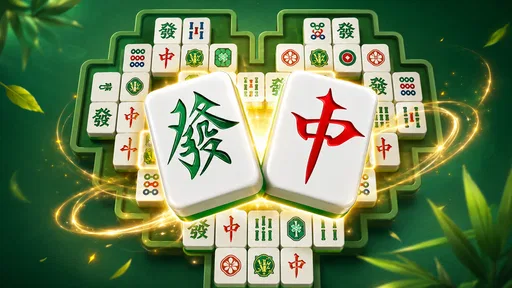
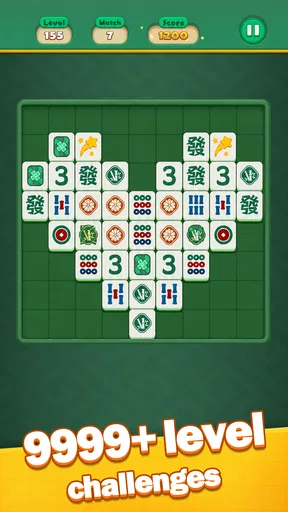
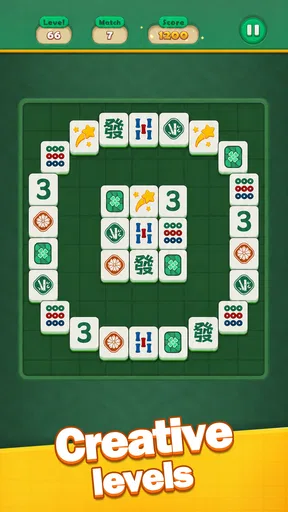
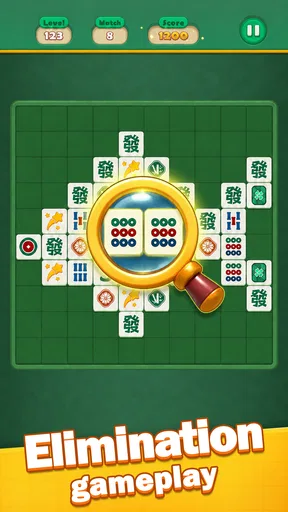
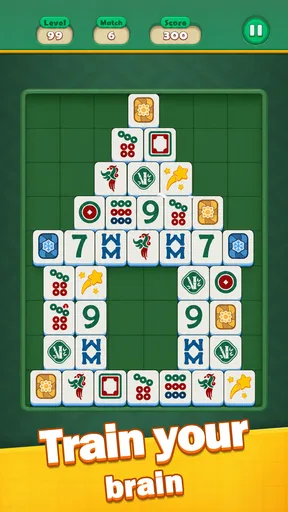
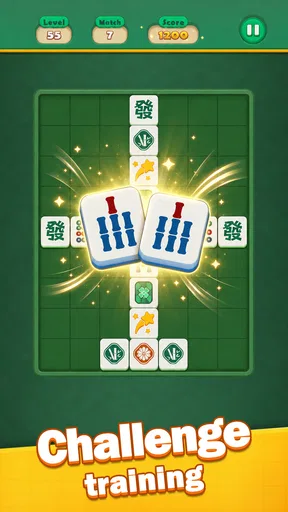
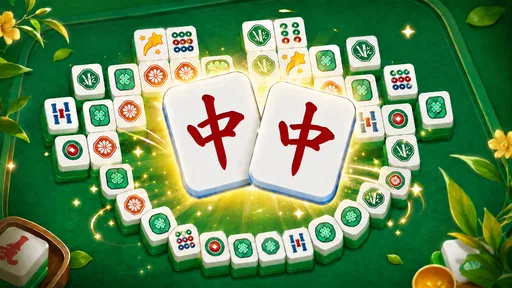
Our Review of Fun Mahjong Match
 Analysis by Appyee
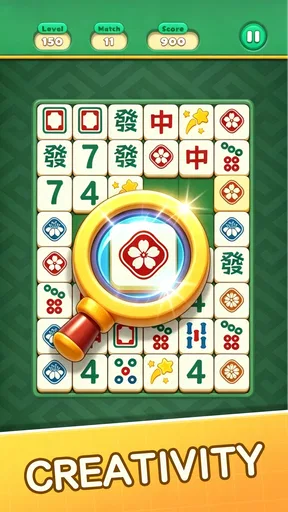
Fun Mahjong Match is the kind of board game I reach for when I want a quiet break rather than a demanding challenge. Its central idea is familiar: clear matching mahjong tiles from the board, look for useful pairs, and keep your attention on the layout until it opens up. That simplicity is its strongest quality. I can start a round without learning a complicated rule set, and the game fits naturally into a short pause, a commute, or a few minutes before bed.
At the same time, I would not describe it as a deep strategy title for every player. Its appeal comes from the rhythm of spotting, choosing, and clearing tiles. If you enjoy calm visual puzzles, that loop is easy to appreciate. If you need competitive rankings, a strong narrative, or a constantly changing set of mechanics, this may feel too restrained. My overall impression is that EWG STUDIO has focused on making a straightforward mahjong matching game that is approachable first and demanding second.
How the tile-matching experience feels in everyday play
The best way to understand the game is to think of it as a small concentration exercise. I scan the arrangement, identify exposed matching tiles, and decide whether taking a pair now will make the next part of the board easier or more awkward. That decision is modest, but it gives the game more involvement than simply tapping any two identical pictures. A careless move can leave less useful tiles buried or reduce the number of visible choices.
This makes it particularly suitable for a realistic everyday situation: imagine having ten minutes between appointments. I can open a round, play at my own pace, and stop when I need to move on. There is no need to remember a plot, coordinate with another person, or prepare a long session. The game also works well as a screen activity for someone who prefers quiet focus over fast reactions.
The visual matching itself is accessible, but I still recommend playing with a clean, comfortable display and taking a moment before tapping. On a crowded arrangement, rushing is usually less helpful than checking which tiles are genuinely available. My practical tip is to look first for pairs that uncover several tiles, rather than automatically removing the easiest visible match. That habit makes the puzzle feel more thoughtful and can prevent a promising layout from becoming unnecessarily narrow.
Another useful approach is to treat the board as a sequence of openings. Instead of concentrating only on the pair directly in front of me, I ask which removal creates the most new information. This is a small change in mindset, but it turns a relaxing pastime into a gentle planning exercise. It is also why the game can remain interesting after the novelty of matching identical tiles has faded.
A calm pace, with limits for demanding puzzle fans
The relaxed character is a genuine strength, especially for players who dislike timers or twitch-based controls. I can focus on recognition and choice rather than speed. That makes the game friendly to newcomers and to people who want something less intense than action games or competitive multiplayer board apps.
However, the same calm design may disappoint players who want a large strategic system. The main satisfaction comes from solving the arrangement in front of me, not from building a long-term collection, managing a complex economy, or developing a character. If your ideal board game involves elaborate tactics, social negotiation, or several distinct modes, I would look toward a more feature-heavy alternative.
The game is also better for short, repeatable sessions than for a dramatic all-evening experience. I enjoy it most when I use it as a reset between tasks. Someone looking for a narrative reason to continue playing may find less motivation here, because the attraction is the puzzle loop itself. That is not a flaw in the match format, but it is an important expectation to set before downloading.
What the purchase information means for a careful player
Fun Mahjong Match is free to download and is listed with in-app purchases ranging from $1.99 to $13.99 per item. That gives the game a low entry barrier: I can try the core experience without paying upfront. For anyone who is cautious about spending, the useful distinction is between testing the game and deciding whether optional purchases are worthwhile. I would play several sessions first, then decide whether anything offered inside the game genuinely improves my experience.
I do not treat the presence of purchases as proof that a game is unfair. The important question is whether progress feels comfortable without spending and whether paid options create pressure. From the information associated with this release, I can confirm the purchase range, but I will not pretend to know the exact items, their effects, or how often they appear. That means my spending advice is deliberately simple: consider the free version the trial, avoid buying impulsively during a frustrating board, and only spend when you understand what you are receiving.
For families, the age classification is Everyone, which makes the game broadly suitable from a content perspective. Adults may still want to review purchase controls on the device if a child will be playing. That is not specific to one title; it is a sensible precaution for any free game with optional transactions. The free starting point is convenient, but convenience should not become accidental spending.
The current version is 1.3.7, and the listed minimum operating system is Android 7.0. Those details matter if you are installing on an older phone or tablet. A compatible device should meet that software requirement, but real comfort will also depend on the screen and general condition of the device. Tile puzzles benefit from clear visual separation, so a very small or dim display may make the experience less pleasant than it appears on a larger screen.
Progress without turning every move into pressure
One question I would ask before installing any puzzle game is whether it encourages me to play thoughtfully or pushes me to keep going. Fun Mahjong Match works best when I set my own pace. I can use a round as a brief mental break rather than treating every board as a test of endurance. That makes it a good fit for people who want a low-pressure activity after work or during a quiet morning.
There is still a small amount of natural pressure in the layout. When useful pairs become blocked, I have to reconsider earlier choices and pay closer attention to what remains. This is productive pressure because it comes from the puzzle, not from needing fast reflexes. My recommendation is to pause before a questionable tap. A few seconds of visual checking can be more valuable than trying to clear the board quickly.
Players who enjoy measurable mastery may need to decide whether the board-by-board satisfaction is enough. The game’s premise is not built around the kind of visible competitive achievement found in ranked board platforms. I would choose it for concentration and relaxation, not for proving that I am better than other players. That distinction is central to whether it feels rewarding.
Fairness and the competitive question
Fun Mahjong Match is categorized as a board game, but I would not approach it as a direct substitute for a traditional online mahjong table or a competitive digital board service. Tile matching is a solo-style puzzle experience in spirit: the challenge is reading the arrangement and making sensible removals. That makes fairness easier to judge in personal terms, because my result depends mainly on how I interpret the board rather than on another player’s skill, connection, or behavior.
There is also a trade-off. A competitive mahjong app can provide social tension, bluffing, and the satisfaction of outplaying a real opponent. This game offers a quieter kind of fairness: I am solving the layout at hand. If you want conversation, rivalry, or a shared match, a multiplayer alternative will probably serve you better. If you dislike losing because of another person’s move, the solitary matching format may be more comfortable.
I would be careful, though, about making stronger claims than the available facts support. The purchase information confirms optional items and their price range, but it does not tell me what those items do or whether they affect puzzle outcomes. I therefore cannot label the spending model competitive or uncompetitive with certainty. My honest position is that the game should be judged through actual play: see whether the free experience feels complete, notice whether purchases are presented as conveniences or necessities, and avoid assuming that a paid option is required simply because it exists.
A useful personal test is to play while deliberately refusing to spend. If I can enjoy the matching loop and make progress without feeling blocked, the free model is doing its job for me. If the experience becomes uncomfortable because I feel pushed toward a purchase, that is a sign to stop rather than pay automatically. This approach keeps the decision in the player’s hands and avoids confusing convenience with value.
What I can recommend, and what I would still check myself
The game has attracted an average rating of 4.9 from around thirty-four thousand ratings, and it has passed one million installs. Those figures suggest that the basic concept connects with a substantial audience, especially people who enjoy simple tile puzzles. I see them as a useful signal of popularity, not as a guarantee that every player will like the pacing or purchase model. Ratings cannot tell me whether the game matches your preferred level of challenge.
The release date is April 28, 2026, so I would keep the version context in mind when judging how the game feels over time. A relatively current release can change as the developer updates it, and my recommendation should focus on the experience available in the version being installed. EWG STUDIO is the developer behind the game, and the listed version is 1.3.7.
There are several details I would personally inspect during the first session. I would check how clearly the tiles can be distinguished, whether the board remains comfortable on my phone, and whether the game lets me leave and return without disrupting my routine. I would also pay attention to how purchase prompts fit into play. These are not claims about hidden systems; they are the practical checks that help me decide whether a free puzzle belongs on my device.
I would not install it expecting a substitute for every kind of mahjong. The familiar tile imagery does not automatically make it a full traditional mahjong simulation, and the matching format serves a different purpose. Someone seeking authentic rules, table play, or multiplayer strategy should choose an app designed specifically for those needs. Someone seeking a compact visual puzzle may find this version much easier to approach.
It is also worth considering attention and accessibility. Matching games can be relaxing, but a dense board may become tiring if I play for too long without a break. I get better results by using short sessions, increasing the screen brightness only as much as comfortable, and avoiding hurried taps. If visual recognition is difficult on a particular device, the game may not be the right fit regardless of how appealing the concept sounds.
My trust verdict for a free tile puzzle
My final view is positive but measured. Fun Mahjong Match succeeds when I want a straightforward, calm board puzzle that starts quickly and does not demand a large time commitment. The Everyone content rating, free entry point, and broad device support from Android 7.0 make it approachable for a wide range of players. The strong rating and large install base reinforce the impression that its central matching loop is easy for many people to enjoy.
The main caution concerns expectations and spending. Optional purchases cost from $1.99 to $13.99 per item, and the exact contents or influence of those purchases are not details I would assume without seeing them in context. I would therefore recommend trying the free experience first and treating every purchase as optional until the value is clear. A relaxing puzzle should remain enjoyable without making me feel rushed into paying.
I would recommend it to a friend who wants a gentle way to fill small gaps in the day, likes visual pattern recognition, and prefers solo play over competition. I would skip it in favor of a traditional mahjong simulator if I wanted authentic table rules, or a multiplayer board game if I wanted social interaction and rankings. For everyone in between, this is a focused and approachable choice: not a grand strategy game, but a pleasant tile-clearing break with enough decision-making to keep the simple format from feeling completely automatic.
In short, I see this as a game to keep nearby rather than one to build an entire gaming routine around. Use it for a few thoughtful rounds, watch how the free version fits your habits, and make spending decisions slowly. That is the fairest way to approach Fun Mahjong Match: enjoy the quiet matching challenge for what it is, while choosing a different kind of board app when you need depth, competition, or a more complete traditional mahjong experience.
Privacy and Permissions
See what permissions an app requests and how it handles your data.
- Wi-Fi connection information
- view Wi-Fi connections
- Other
- view network connections, allow Wi-Fi Multicast reception, full network access, control vibration, prevent device from sleeping, Google Play license check
Verdict
Strengths of Fun Mahjong Match
- Simple tile-matching rules make it easy for beginners to start.
- Short levels are convenient for quick gaming sessions.
- Relaxing gameplay suits players looking for a low-pressure puzzle.
- Progressive challenges help maintain interest over time.
- Offline play is useful when you have no internet connection.
Limitations of Fun Mahjong Match
- Some levels may feel repetitive after extended play.
- Later stages can depend heavily on finding favorable tile layouts.
- Hints or boosters may be limited unless earned or purchased.
- Ads can interrupt the game between levels or during rewards.
- Small tiles may be difficult to distinguish on compact screens.
Similar Picks in This Category
View All
Ludo King®
Gametion4.1

Ludo
Yarsa Games4.6

Tile Master® - Matching Game
Higgs Studio3.6

Checkers Online
CC Games4.6

Dominoes
Loop Games4.7

Chess
Chess Prince4.6
Frequently Asked Questions
What is Fun Mahjong Match?
Fun Mahjong Match is a casual tile-matching puzzle game based on the classic mahjong solitaire format. You clear the board by pairing identical, available tiles while working through different layouts and levels. It is designed for short or extended play sessions, making it suitable for players who enjoy relaxing puzzles, pattern recognition, and gradually increasing challenges.
How do you play Fun Mahjong Match?
The main objective is to remove all tiles from the board by matching two identical tiles that are free to select. A tile is generally considered available when it is not covered and has an open side. You need to plan your moves carefully, because removing the wrong pair can block useful tiles and leave the puzzle unsolvable or require you to use a hint or restart.
Can Fun Mahjong Match be played offline?
Fun Mahjong Match may support offline play for its core puzzle levels, which is convenient when you are traveling or have limited internet access. However, features such as advertisements, rewards, cloud synchronization, leaderboards, updates, or in-app events may require a connection. Availability can vary by device and version, so check the store listing and test the game after installation.
Does Fun Mahjong Match contain advertisements or in-app purchases?
As with many free-to-download puzzle games, Fun Mahjong Match may include advertisements and optional in-app purchases. Ads can appear between levels or when you request extra help, while purchases may provide boosters, remove advertising, or unlock additional content. Before downloading, review the current Google Play or App Store information and check the purchase settings, especially if children use the device.
Is Fun Mahjong Match suitable for beginners and children?
Fun Mahjong Match is generally approachable for beginners because the basic rules are easy to understand and the game usually introduces its mechanics gradually. It can also be suitable for children who enjoy visual matching games, although parents should review the age rating, advertising, online features, and purchase options. Younger players may need guidance when levels become more complex or time-based.
Play our best games!


